The Definitive Guide to E-Waste Recycling: Why It Counts and How to Take Action
E-waste recycling stands as a vital but commonly disregarded element of modern environmental responsibility. With technology evolving rapidly, millions of tons of electronic waste accumulate each year, posing significant environmental risks. Grasping the complexities of e-waste disposal enables people to make well-informed decisions. This guide not only presents practical recycling strategies but also investigates the far-reaching impacts on the environment and economic landscape. The pursuit of responsible electronic waste management commences with a handful of essential measures.
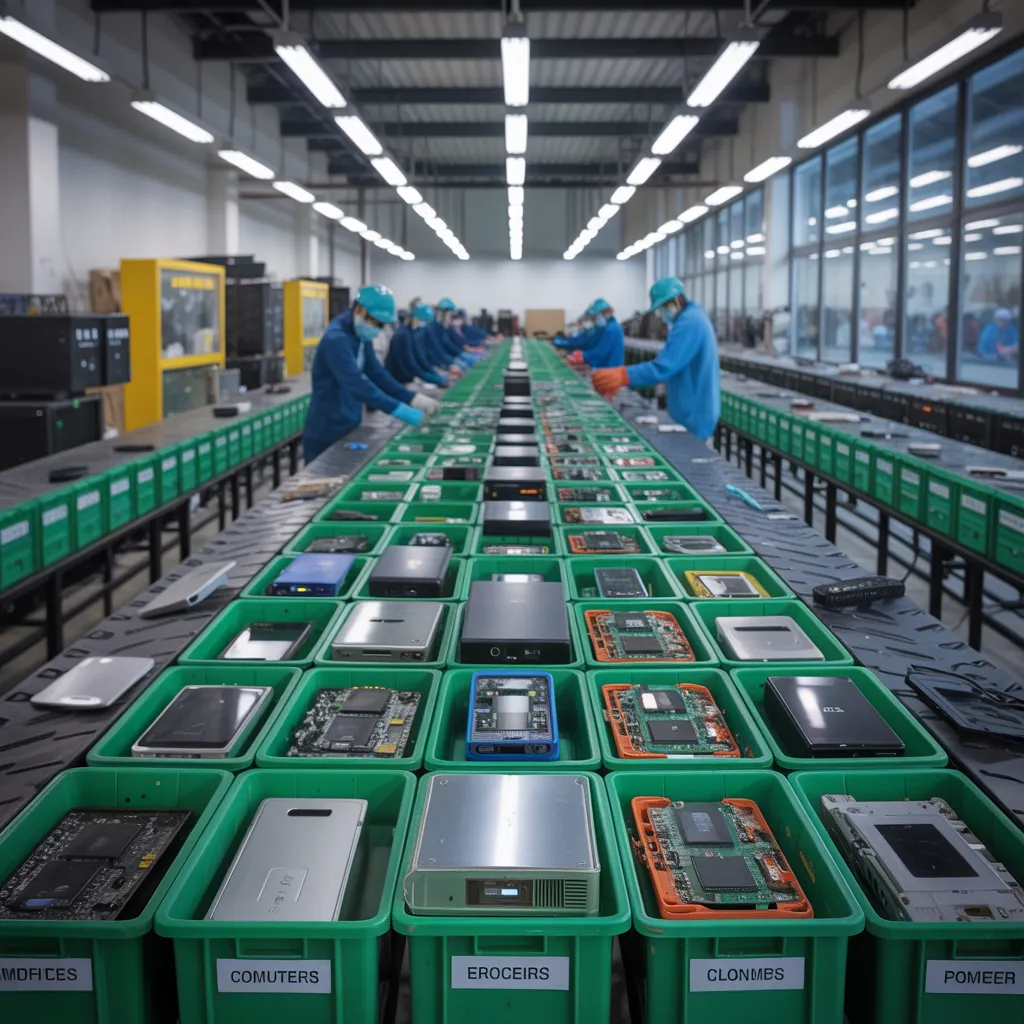
Key Things to Know About E-Waste
Electronic waste, commonly known as e-waste, encompasses discarded electrical and electronic equipment, and View article recognizing its significance is crucial in today's technology-driven world. Technological progress has led to a substantial rise in the production of e-waste, with vast quantities measured in millions of tons created every year. This discarded material commonly includes toxic components like lead, mercury, and cadmium, posing serious environmental and health risks if not managed properly.
Additionally, precious resources like copper, gold, and rare earth minerals are embedded in these electronic devices, which can be reclaimed through recycling methods. Nevertheless, a considerable percentage of e-waste ends up in landfills, worsening pollution and resource depletion. Knowledge about correct disposal practices and the importance of recycling can mitigate these issues, promoting a more sustainable strategy for technology utilization. Understanding the concept of e-waste is necessary for fostering conscientious behaviors and driving impactful recycling efforts within neighborhoods.
Getting Started with E-Waste Recycling
Choosing to take action on recycling electronic waste can greatly impact environmental health and individual responsibility. As a first step, one should take stock of their unused or damaged electronic devices, categorizing items such as smartphones, laptops, and printers. This step helps in understanding the volume of e-waste that needs addressing. Additionally, looking into local recycling initiatives is essential. Numerous neighborhoods provide dedicated drop-off points or scheduled collection drives for electronic waste.
Individuals should also educate themselves about the items that qualify and do not qualify for recycling, as regulations change based on the region. Once they have identified suitable programs, wrapping the items properly for transit ensures their safety and reduces the risk of damage. Finally, one should follow up on the disposal procedure, verifying that certified recyclers manage the e-waste. By taking these initial steps, individuals contribute to a more sustainable future while handling their electronic waste with care.
The Ecological Effects of E-Waste Recycling
Although often overlooked, the environmental impact of e-waste recycling is profound and far-reaching. Effective e-waste recycling helps prevent hazardous materials, such as lead, cadmium, and mercury, from corrupting soil and water systems. Such hazardous materials can contribute to critical health threats for humans and animals alike. By recycling, valuable resources like silver, gold, and copper are salvaged, minimizing the reliance on mining and decreasing the overall carbon emissions associated with resource extraction.
Additionally, efficient e-waste recycling limits landfill dependency, where breaking down electronics discharge dangerous chemicals. It supports a circular economy through the advancement of sustainable methods, inspiring manufacturers to develop recyclable product designs. In addition, recycling supports the reduction of greenhouse gas emissions by limiting energy consumption versus creating new materials. Ultimately, the environmental advantages of e-waste recycling emphasize its essential function in cultivating a healthier planet and securing responsible oversight of electronic resources.
Economic Gains from E-Waste Recycling
Electronic waste recycling offers substantial financial benefits, notably through employment generation and material recovery. By building dedicated recycling infrastructure, neighborhoods can produce meaningful work prospects while promoting sustainable practices. Additionally, recovering valuable materials from electronic waste reduces the need for new resource extraction, contributing to significant reductions in expenditure.
Work Creation Possibilities
Recycling e-waste not only addresses environmental concerns but also serves as a catalyst for job creation. The e-waste management industry produces diverse work opportunities, extending from collection and organization to refurbishing and reprocessing electronic goods. As demand for sustainable practices grows, this sector is expanding, requiring skilled labor in technology, engineering, and logistics. Surrounding economies prosper as new positions are regularly established in regions experiencing significant unemployment, encouraging local growth. Furthermore, businesses involved in e-waste recycling can stimulate innovation and entrepreneurship, fostering a circular economy. By investing in e-waste initiatives, governments and organizations not only promote environmental sustainability but also enhance economic resilience through meaningful employment opportunities.
Resource Retrieval Savings
The e-waste recycling sector not only creates jobs but also offers considerable economic benefits via resource recovery efficiencies. Through the reclamation of valuable materials like gold, silver, and copper from discarded electronic devices, recycling reduces the demand for raw resource extraction, which tends to be both costly and ecologically destructive. This approach reduces manufacturing costs for producers, eventually resulting in lower prices for end users. Moreover, the energy conservation benefits of recycling e-waste can be significant, reducing overhead costs for companies and enhancing overall economic productivity. As well, as global demand for electronic devices continues to rise, efficient resource recovery from e-waste becomes increasingly essential for sustaining supply chains and enhancing economic resilience. Consequently, e-waste recycling is a prudent investment for both the economy and the environment.
Where You Can Recycle Your Old Electronics
Unsure about where to recycle your obsolete electronic devices responsibly? Numerous options exist for recycling old devices, ensuring both environmental protection and resource recovery. Community recycling hubs commonly welcome numerous types of electronic devices, such as laptops, mobile phones, and televisions. Several cities and towns also arrange scheduled e-waste drop-off events, providing a convenient way for residents to recycle items safely.
Retailers such as Best Buy and Staples provide take-back initiatives, enabling customers to drop off their used electronics upon buying new devices. Certain manufacturers offer mail-in recycling options, enabling consumers to send their outdated devices directly to designated facilities. Nonprofit groups may additionally welcome donations of working electronics, increasing the longevity of these products while advancing local community efforts.
Busting Popular Myths Surrounding E-Waste Recycling
Although many people believe that e-waste recycling is ineffective, the reality is that well-organized initiatives can significantly minimize environmental harm. A widespread myth is that e-waste is deposited in landfills regardless of recycling efforts. In truth, established recycling centers extract valuable materials and carefully handle hazardous components.
One popular myth states that electronic recycling is overly complex or expensive. Fortunately, a variety of community programs feature no-cost drop-off points, allowing everyone to participate with ease. Several programs additionally feature convenient collection options.
Additionally, certain individuals assume that all electronic waste is suitable for recycling, but not every item is recyclable due to specific materials involved. Understanding local guidelines is essential.
Finally, many believe that e-waste recycling has no impact on job creation. In reality, the recycling industry produces thousands of employment opportunities, benefiting the economy while encouraging environmental sustainability. By debunking these myths, the public can make informed choices about e-waste recycling.
Frequently Asked Questions
Can I Recycle Batteries With My E-Waste?
Batteries are not suitable for recycling with e-waste. They must be handled separately because of the hazardous materials they contain. Suitable disposal choices encompass designated recycling facilities or scheduled collection events tailored for batteries, promoting safe and environmentally responsible handling.
What Happens to My Data During Recycling?
When recycling devices, sensitive data on devices could be vulnerable without proper erasure. Established recycling companies utilize dedicated processes to ensure total data elimination, protecting sensitive data from unauthorized recovery or exploitation.
Is E-Waste Recycling Subject to Legal Regulation?
E-waste disposal is governed by numerous rules and regulations that vary by country and region. These rules seek to ensure safe disposal, preserve the environment, and effectively manage hazardous materials within the recycling process.
Is There a Fee for Electronics Recycling?
Several e-waste recycling locations may assess charges for processing electronic items, particularly for specific types like televisions and computer monitors. Even so, some facilities offer recycling at no cost, generally backed by manufacturer programs or community initiatives encouraging responsible disposal.
How Can I Promote E-Waste Recycling in My Community?
To advance e-waste recycling in the community, organizations can host awareness campaigns, work alongside local businesses to host drop-off events, and employ social media to spread informative content about the benefits to the environment and responsible disposal practices.